




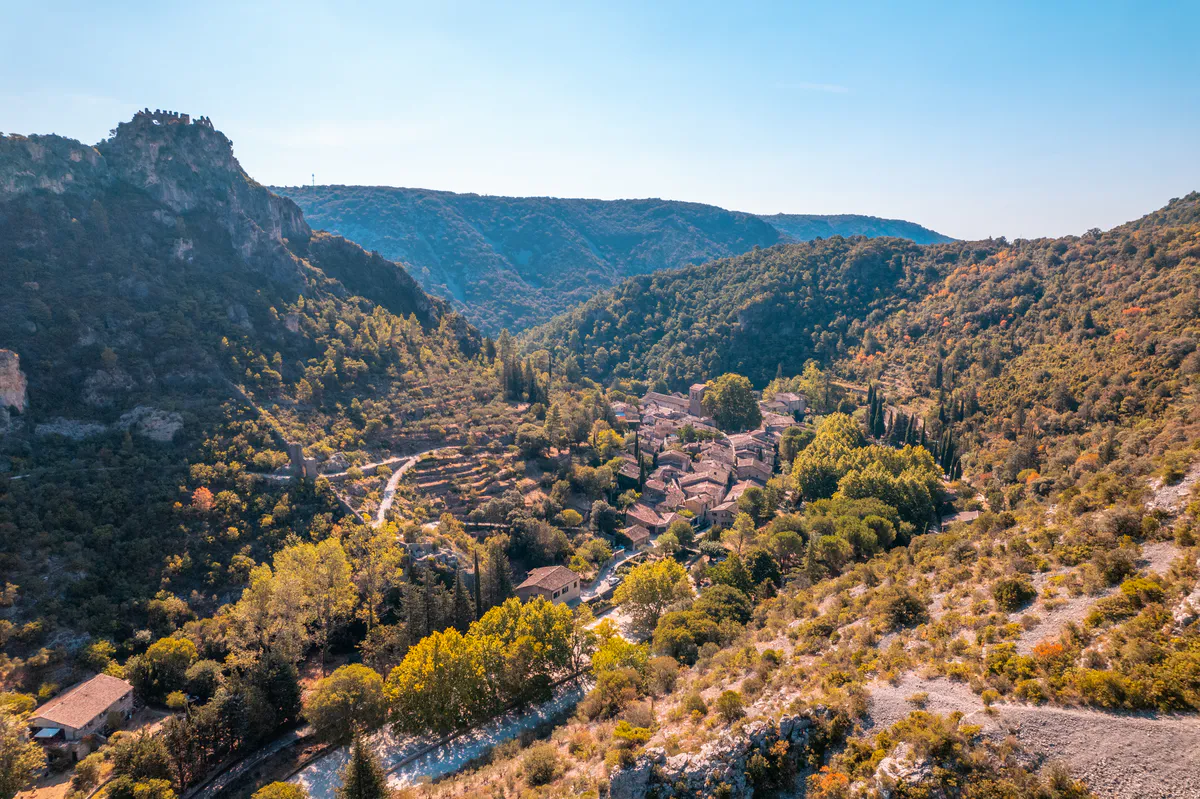
Nestled among the breathtaking Gorges de L’Hérault, this small but fascinating village is a gem that has rightly earned its title as one of “Les plus beaux villages de France” .
Not only that, but at its heart lies the Abbaye de Gellone, a treasure that has been classified as a world heritage site by UNESCO as part of the Camino de Santiago.
If you’re wondering what to do in Saint-Guilhem-le-Désert, you should know that this peaceful oasis offers everything from exciting hiking trails and lazy afternoons on the beaches of the Hérault River to canoe-kayak adventures, cave exploration, and a deep dive into history through prehistoric villages and other charming hidden corners.
In this serene and peaceful setting, typical of the South of France, you will be enveloped by the breeze through the trees, the whisper of the river and the singing of birds, making Saint-Guilhem-le-Désert the ideal place to enjoy family tourism.
ℹ️ Population in 2020: 251 Inhabitants. Source INSEE
👉Since you’re already in the region, read my guide to the hidden corners of Montpellier
Experience map: what to do in Saint-Guilhem-le-Désert and the surrounding area
Saint-Guilhem-le-Désert is a small village, but its surroundings offer a surprisingly wide range of experiences. From the medieval heart of the historic center to the Hérault gorges, hiking trails, swimming areas, and food-focused visits, everything is closer than it seems.
In this map, you’ll find the main experiences and places to see in Saint-Guilhem-le-Désert, organized to help you understand distances, plan routes, and decide what to do based on the time you have. It’s a practical tool to get your bearings before you start exploring, whether on foot, by car, or by combining both.
12 Things to do in Saint-Guilhem-le-Désert
Well, since you’re already here looking for what to see in the south of France, let me tell you about some wonderful experiences you can enjoy in Saint-Guilhem-le-Désert.
The truth is that, beyond its charm, this village offers unique opportunities to truly immerse yourself in its culture and landscapes.
Visiting the Abbey of Gellone, the spiritual heart of Saint-Guilhem-le-Désert
Start here. I always do. The Abbey of Gellone sets the rhythm of Saint-Guilhem-le-Désert, and it’s best discovered before getting lost in the streets. It’s one of those places where silence feels heavier than words, and where, even with people around, a sense of calm is hard to explain.
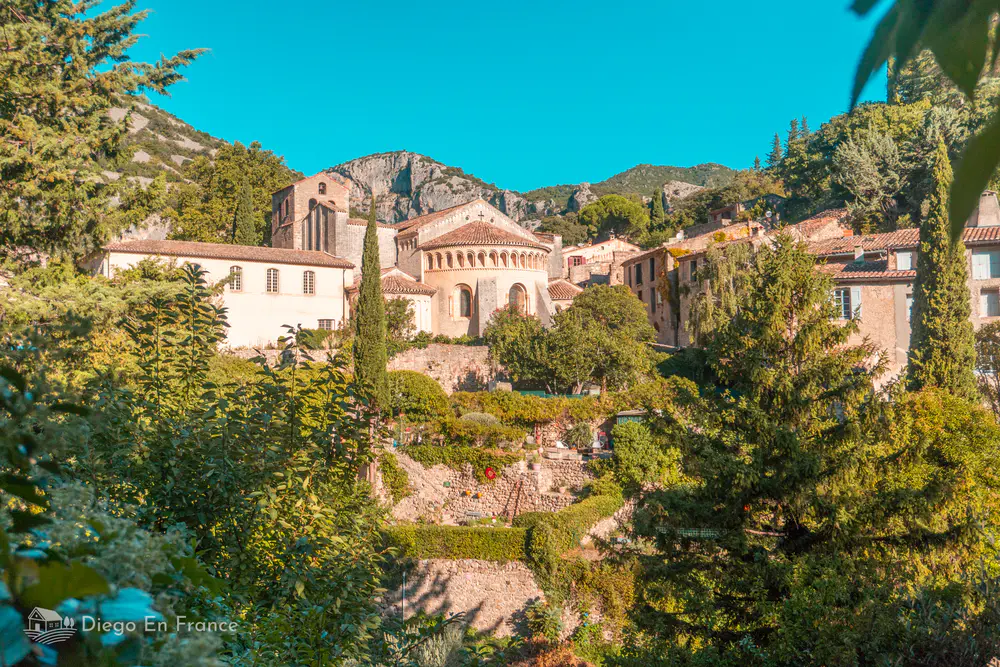
I like to step inside slowly, without rushing, and let the space do its work. The stone, the light filtering through the arches, the sober harmony of the place. Everything speaks of an ancient spirituality, free of ornament. You don’t need to know much history to feel that this was an important place for centuries, not only as a religious center, but also as a cultural meeting point in the heart of Languedoc.
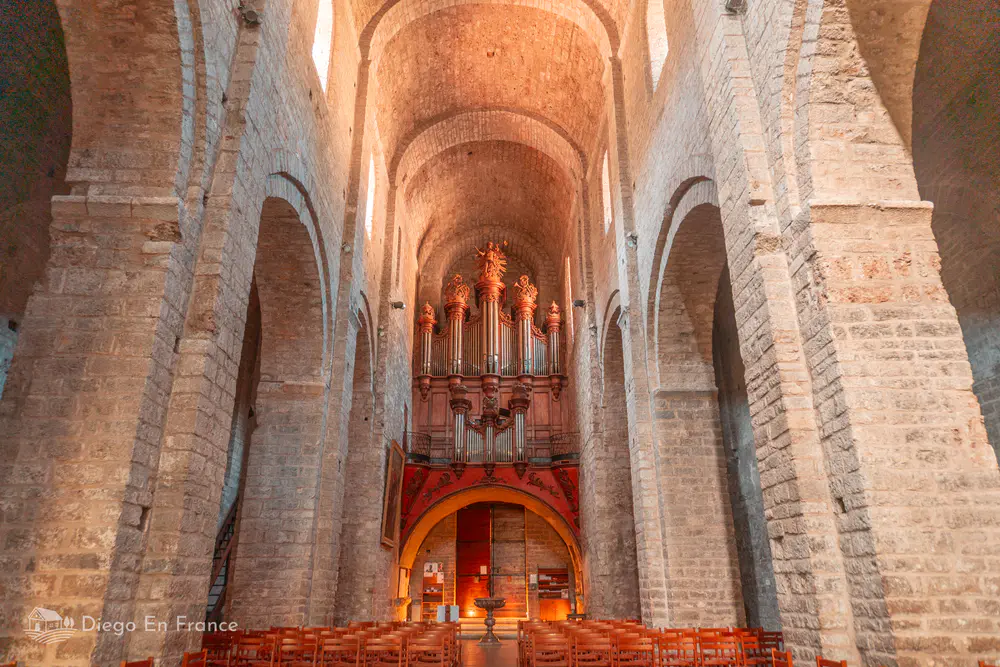
The visit itself isn’t long, which is ideal if you’re traveling with family. Half an hour is usually enough to take it all in at a relaxed pace. And once you step back outside, the village makes more sense. As if everything had grown around this core, following its slow, steady breath.
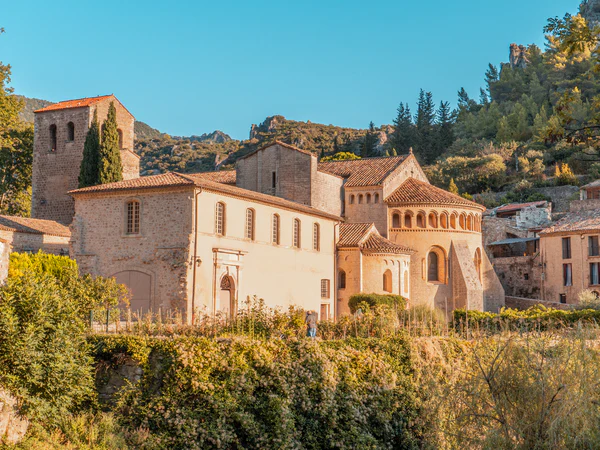
It’s hard not to be overwhelmed by the beauty of the Gellone Monastery, which has been recognized as a UNESCO World Heritage Site.
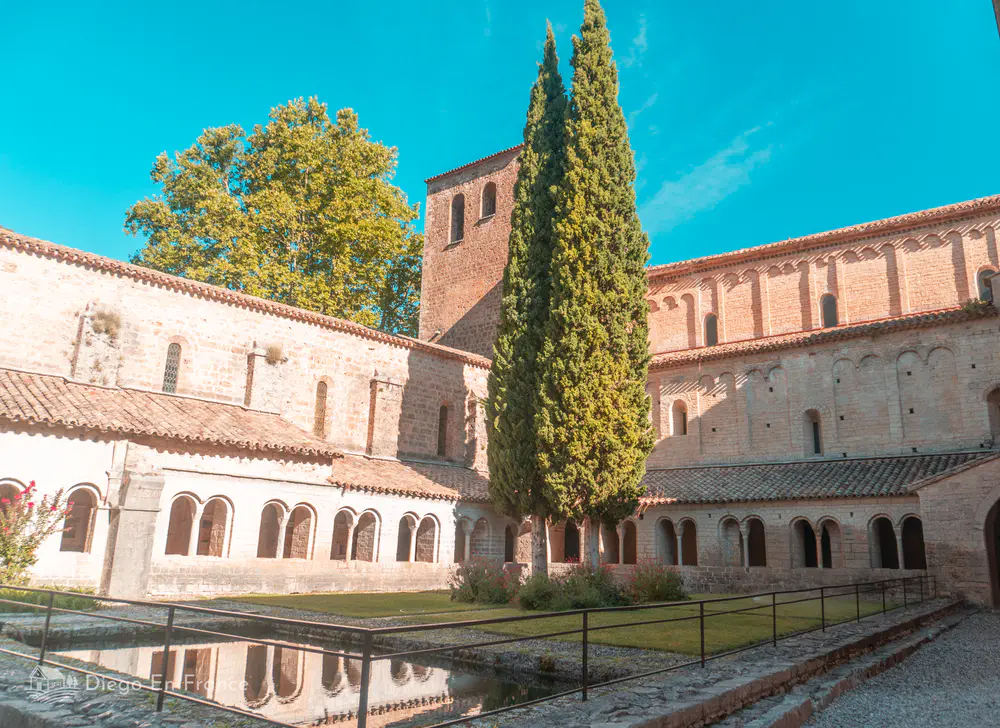
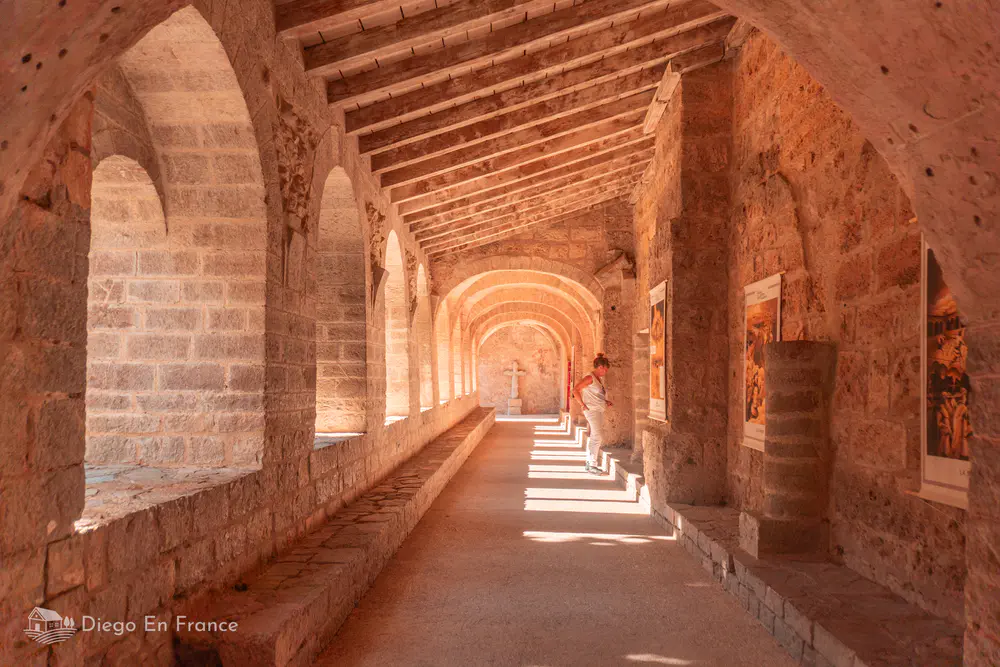
If its architecture is impressive, its interior is home to a museum rich in history. Be sure to stroll through the cloister and its gardens as well. After all, it’s a jewel that has remained remarkably intact through the centuries.
📍 The Abbey is located on Place de la Liberté, right in the heart of the village.
Founded at the beginning of the 9th century, the Abbey of Gellone was for centuries a major spiritual center in Languedoc and a key stop on the Way of St. James. Its historical and symbolic importance is such that it is now listed as a UNESCO World Heritage Site. More than a thousand years later, the complex still retains a serene strength that you can feel as soon as you step inside its walls.
Hiking in Saint-Guilhem-le-Désert: routes and landscapes of southern France
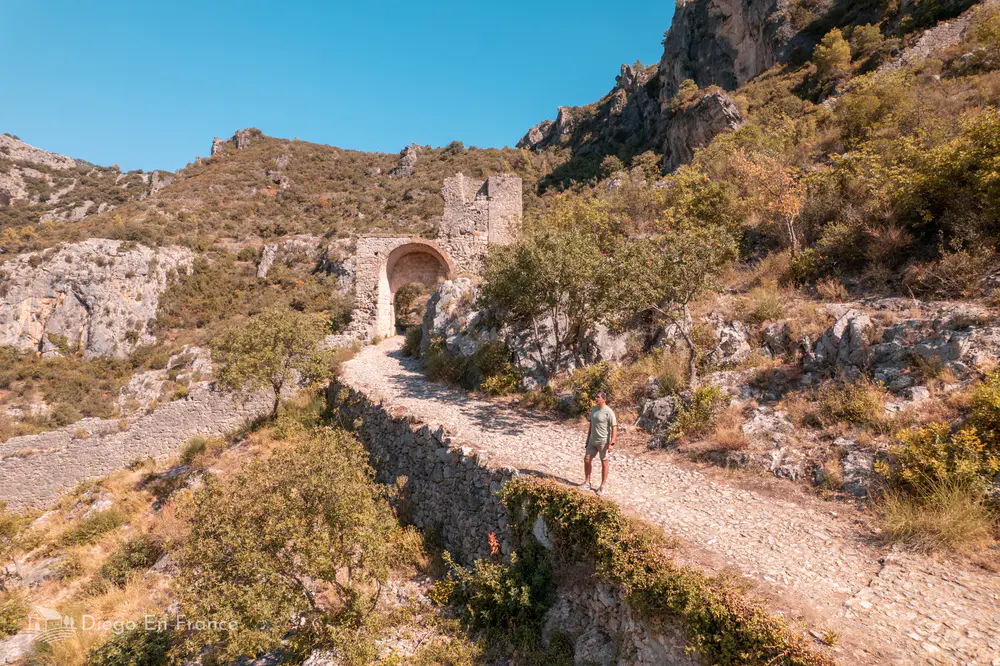
In Saint-Guilhem-le-Désert, nature begins just a few steps from the village. Several trails start right from the center and quickly lead into the Hérault gorges, making hiking here especially easy and enjoyable.
There are short routes, perfect for a relaxed family outing, and longer ones that gain elevation and open up wide views over the valley. You don’t need to be an experienced hiker to enjoy them. Just choose a route based on the time you have and how you’re feeling that day. In summer, it’s best to head out early or look for shaded sections, as the heat can be intense.
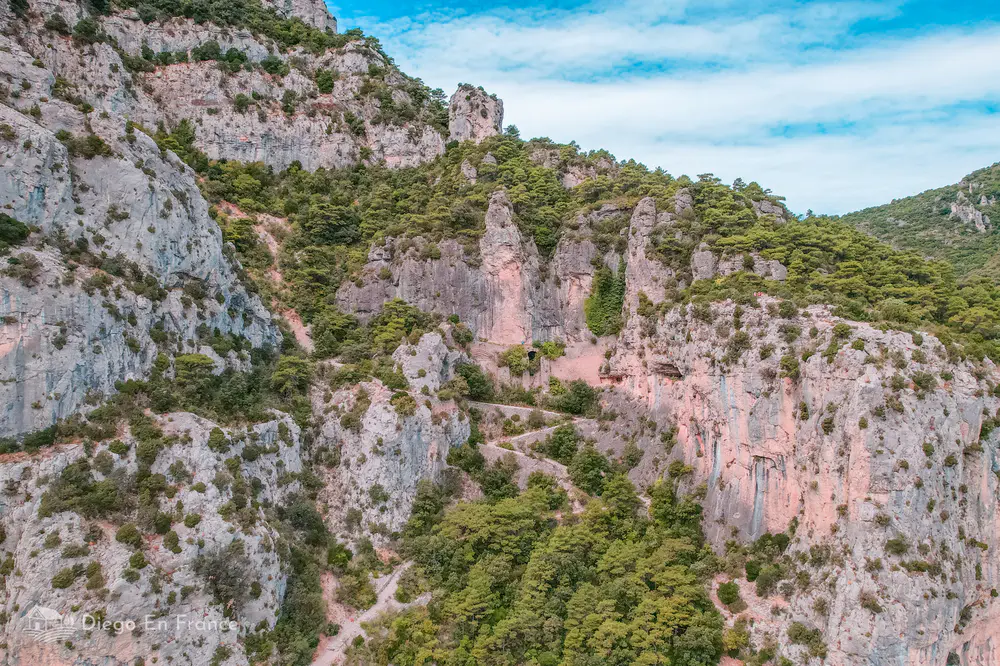
This isn’t dramatic or extreme hiking. It’s slow, mindful walking among rock, Mediterranean vegetation, and old paths, perfectly in tune with the calm spirit of this corner of southern France.
Canoeing and kayaking on the Hérault River, one of the best summer experiences
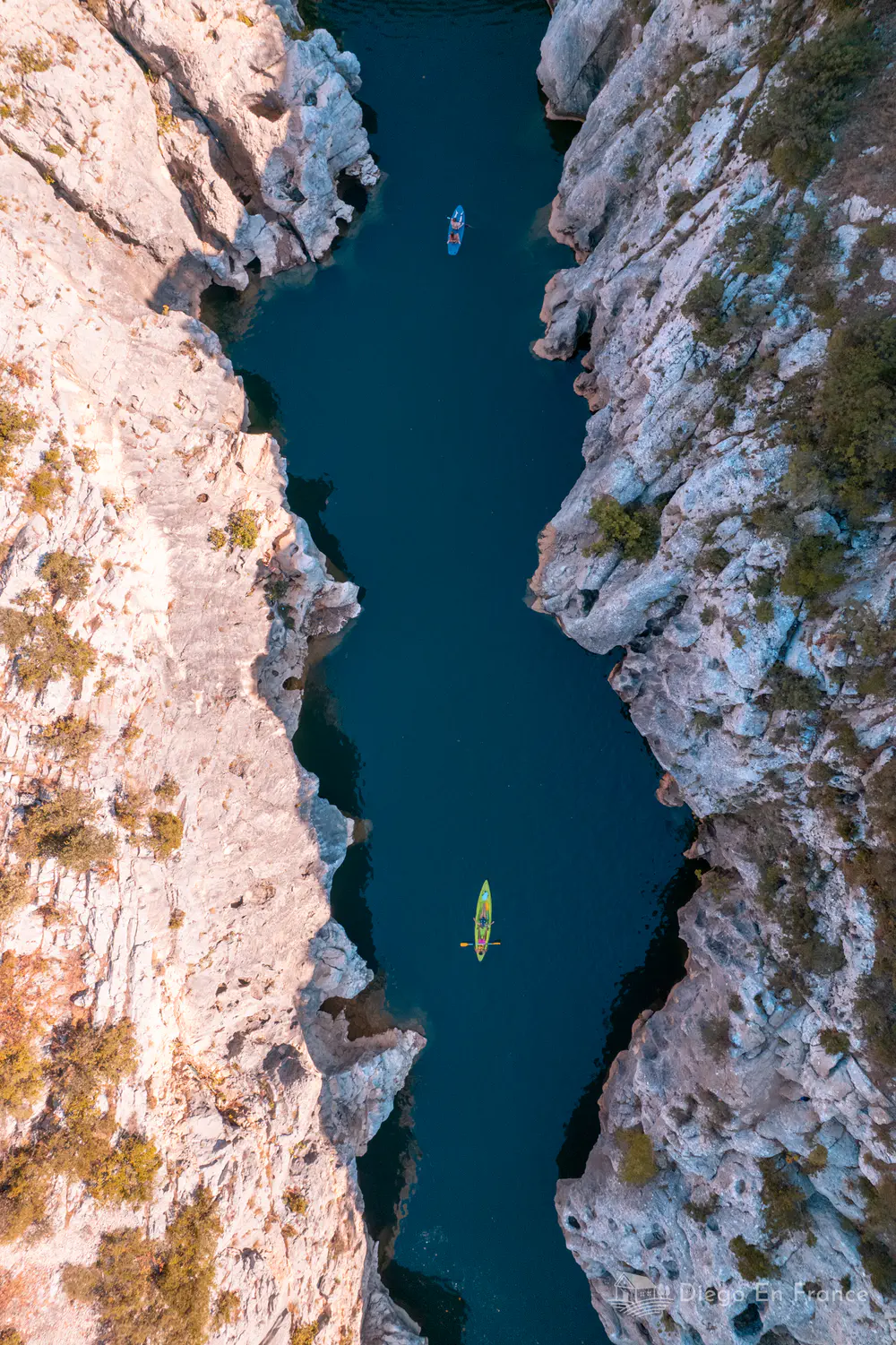
For those with an adventurous spirit, you can take advantage of even more of the Herault Gorges (Les Gorges de l’Herault) by kayaking on the Hérault River, it is an experience that you cannot miss. C’est très amusant et cela vous donne non seulement une perspective unique du paysage, mais vous permet également de ressentir l’excitation des eaux qui traversent le cœur de la ville.
👉 Here is the address of the place where we rented our canoe kayaks: CANOE Rapido here
Bathing in the Hérault River: natural beaches near Saint-Guilhem-le-Désert
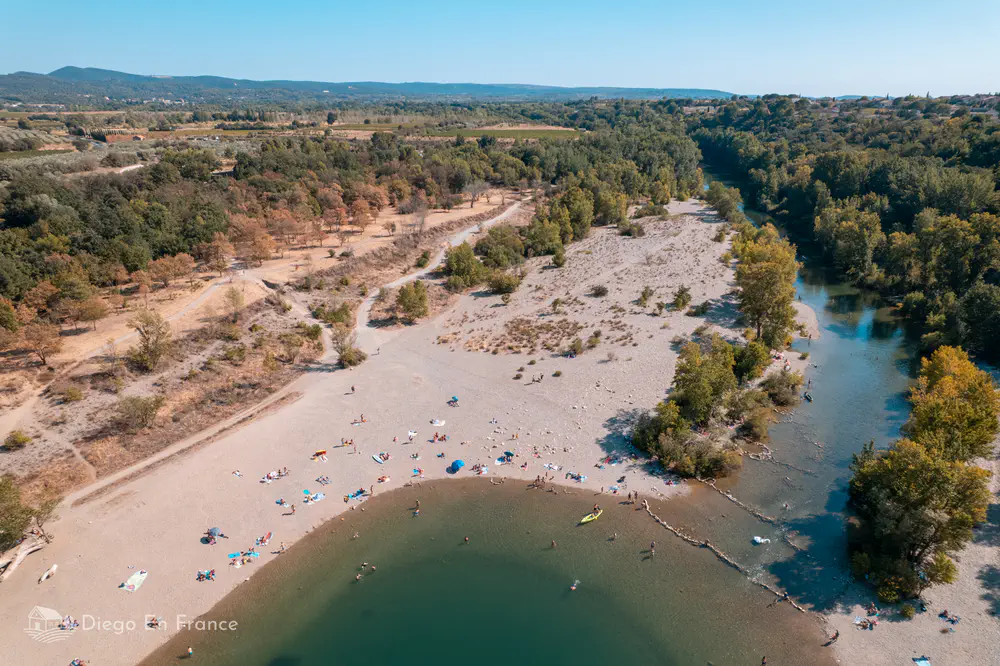
Just 5 minutes away, you will find a beautiful river beach with cool waters: the perfect haven to take refuge from the heat. The calm, refreshing waters of the Hérault River invite you to take a dip, while on the horizon, the iconic Pont du Diable rises as a silent witness to thousands of years of history.
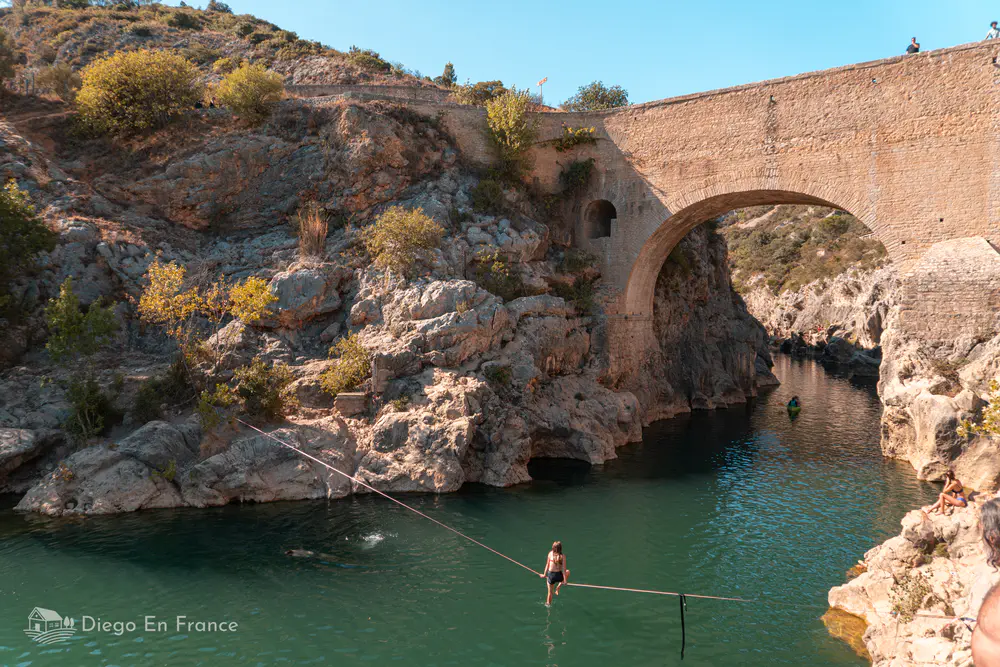
This ancient structure, with its imposing architecture and rich history, creates a striking setting as you enjoy the coolness of the river.
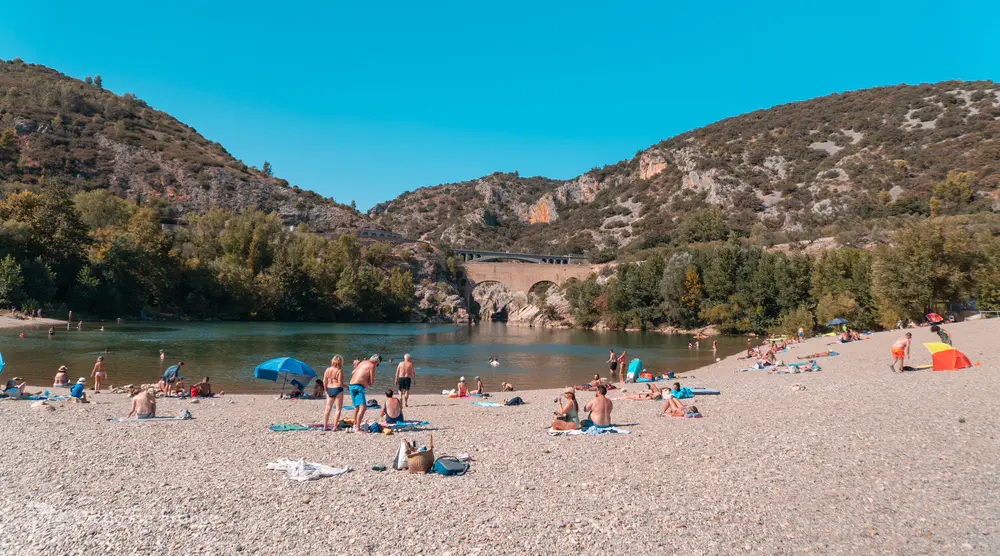
It’s the perfect place to relax, soak up the sun, and maybe enjoy a picnic. Of course, don’t forget to bring your camera, because the photos with the bridge in the background are simply spectacular.
It is definitely an activity that you cannot leave off your list of what to see in the south of France!
Trails, river, and waterfalls: refreshing routes around Saint-Guilhem-le-Désert
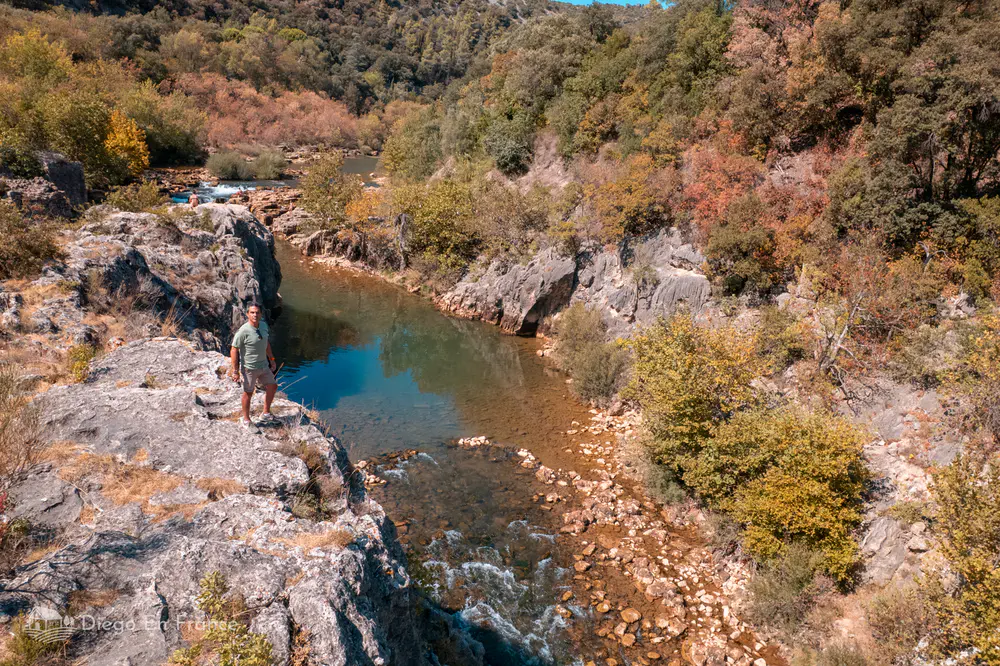
The trails that guide you directly towards a refreshing river are not a dream, but a palpable reality. As you advance along these paths, the tranquility of the surroundings becomes increasingly evident. Suddenly, the Hérault River reveals itself, showing a spectacle of nature in all its splendor.
The waterfalls, with their energetic flow, create small pools that invite you to take a refreshing dip. Many claim that these waters have a revitalizing power, but that is something that must be experienced personally.
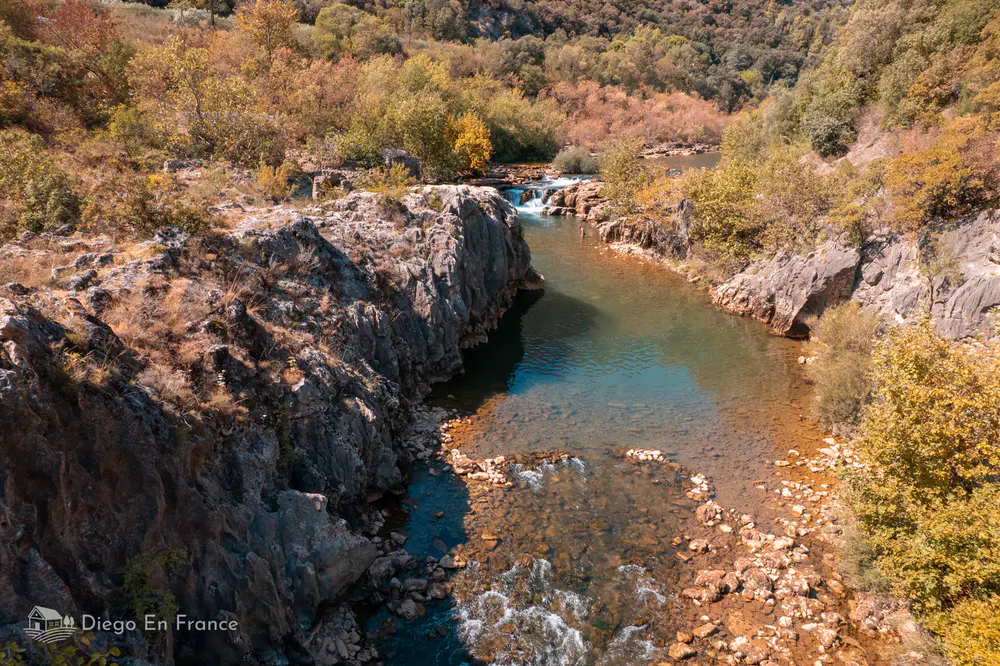
To make the experience even more memorable, the iconic Pont du Diable stands a short distance away, adding a historical and visual touch to the panorama. And after diving and enjoying the waterfalls, you can always relax on the banks, taking in the surroundings and just letting yourself go.
Visiting the Clamouse Cave, a must-do underground excursion
Located in the heart of the Gorges de l’Hérault and just a few meters from Saint-Guilhem-le-Désert, the Clamouse Cave is much more than a simple cave; it’s a gateway to a magical and mysterious world beneath the surface that I strongly recommend visiting.
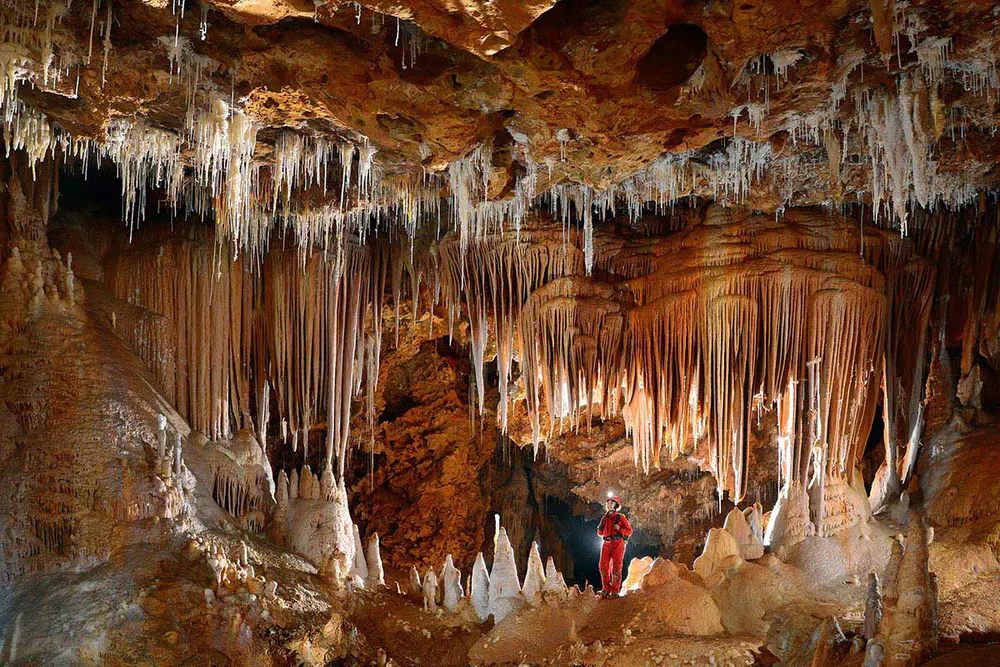
Internationally recognized for the abundance and beauty of its rock formations, including rare aragonite crystals and eccentric formations, every corner of this natural wonder immerses you in an enchanting, timeless journey.
What truly sets the Clamouse Cave apart and places it among the top tourist destinations in Occitanie is the diversity of its underground landscapes, offering panoramas that are hard to find anywhere else in Europe.
And if simply walking through its galleries already sounds exciting, imagine experiencing it through unusual, adrenaline-filled activities.
The Clamouse team has designed unforgettable experiences for visitors. The “Spéléopark” offers two sporty routes inside the cave, promising thrills and intense emotions for adventure lovers.
And for those looking for a mental challenge combined with the majesty of the setting, the Escape Game offers a large-scale escape experience, where the cave becomes both your stage and your puzzle.
This is a truly unique experience that I highly recommend enjoying as a family. If you’re wondering what to see in the south of France, the Clamouse Cave is an unmissable stop you shouldn’t skip.
Prepare to be amazed!
ℹ️ You must reserve your tickets online to secure your place. You can do so on their website here.
Tickets from €8.90. Free for children under 4.
Step into the Village d’Antan Museum and travel back to the Saint-Guilhem of the past
In the summer of 2025, I had the pleasure of pushing open the door of the Musée du Village d’Antan and meeting Jacques, its creator. It was one of those unplanned visits that end up staying with you.
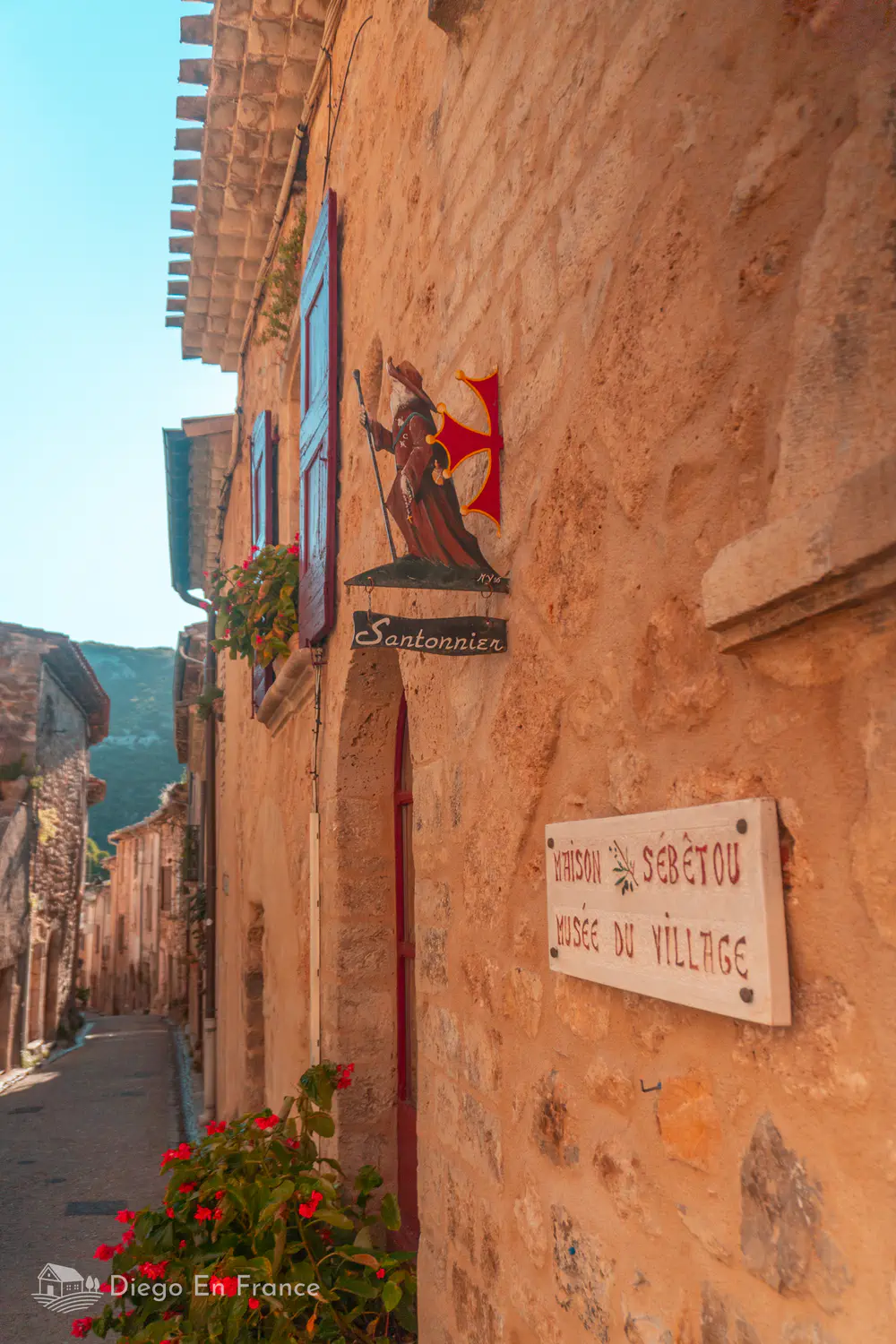
Jacques welcomes you with a calm smile and an immediate sense of connection. There are no cold counters or rehearsed speeches here. Just conversation, village anecdotes, and a genuine desire to share.
The museum occupies a 12th-century house, transformed over time, and you move through it almost as if you were stepping into someone’s home. Everything is handmade. The dioramas recreate daily life in small Languedoc villages and traditional trades with an impressive level of detail.
At the heart of the museum is a complete reconstruction of a Languedoc village made with santons, the result, as he told me, of more than 11,000 hours of patient work.
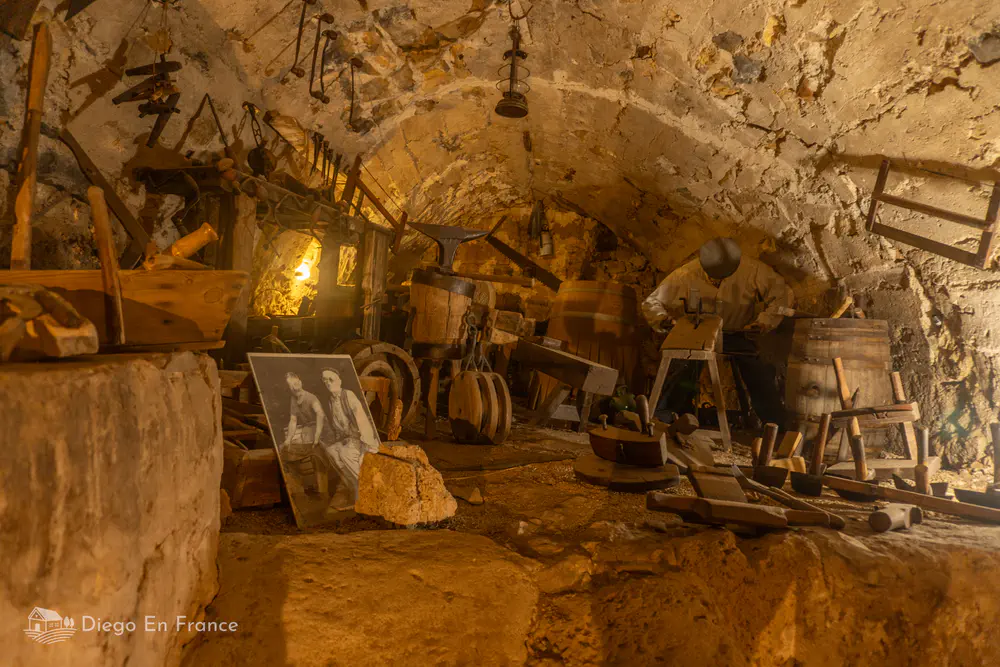
The visit is short, it’s a very small museum, but it’s rich in meaning. It’s especially interesting if you’re traveling as a family, as it helps you understand how life was here before tourism.
It’s worth staying a little longer, sitting in the shade of the small tea room terrace, and enjoying a sweet treat or an herbal infusion. It’s one of those simple moments that balance the day and add depth to your visit to Saint-Guilhem-le-Désert.
Now, whenever I return to Saint-Guilhem, I never leave without saying hello to Jacques, who has become part of the village itself.
ℹ️ Note: the museum is only open in the afternoon.
Jacques Prouget, the artisan who brings the past to life
Among the people who keep the spirit of Saint-Guilhem-le-Désert alive, Jacques Prouget holds a special place. A recognized santonnier and creator of the so-called santons sans socle, without bases, Jacques is one of those artisans whose work cannot be understood without the place where he lives and works.
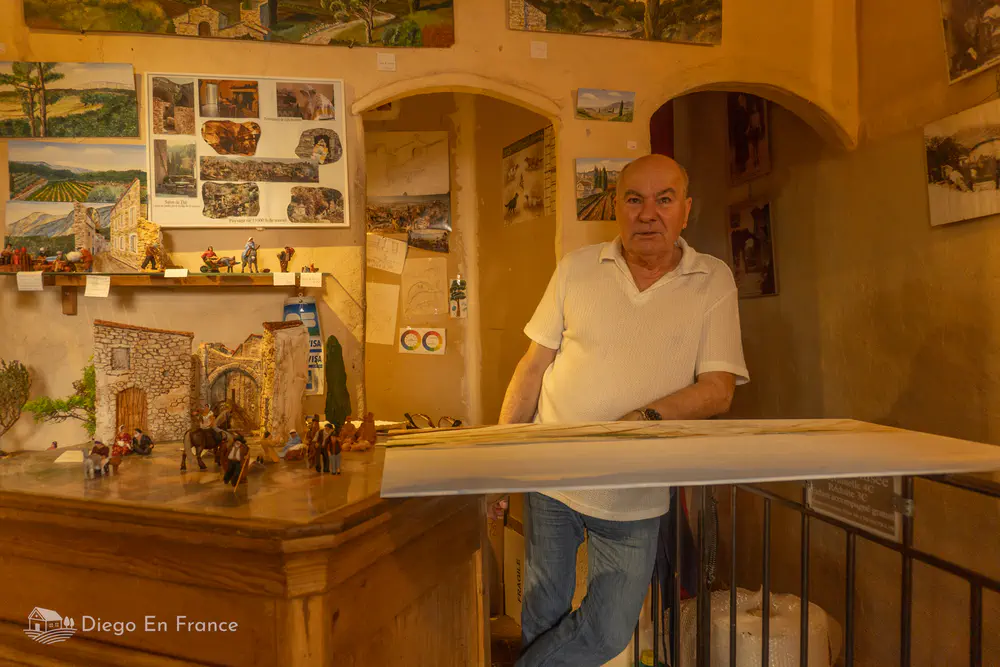
His figures have no base. They are in motion, in relationship with one another. They come closer, protect each other, interact. He explains that his goal was to give them freedom, to allow the characters to “connect” with each other and form living scenes.
This is how his nativity scenes, transhumance scenes, and abrivados come to life, where animals and people seem to truly move forward. Everything rests on meticulous work on the drapery and a deep observation of human gestures.
More about Jacques Prouget
For more than fifteen years, Jacques has been creating santons entirely by hand in his small village workshop. Each year, he imagines new characters inspired by the old trades of Languedoc, drawing on archives and local traditions. His production is limited and deeply artisanal, carried out by a very small team, which ensures that each piece retains a unique character.
His work has crossed borders. Today, his santons can be found in private collections across Europe, America, and other continents, and some clients commission exclusive, custom-made pieces. He belongs to a small circle of master santonniers who have managed to renew this tradition without breaking from its essence, keeping it alive and relevant.
Meeting Jacques, talking with him, or simply watching him work, helps you understand that Saint-Guilhem-le-Désert is not just a medieval backdrop. It is a village inhabited by people who, with patience and passion, continue to pass on ancestral knowledge and give meaning to the place far beyond its stone walls.
Discover the fish farm where caviar is produced by cesarean section
In this charming little village, right here in Saint-Guilhem-le-Désert, lies one of those unexpected stories that surprise even in a region deeply rooted in tradition. At the Château Castillonne fish farm, caviar is produced in a highly unusual way: without killing the sturgeon.
The project was born thanks to François René, an agricultural engineer and former IFREMER researcher, who was convinced that things could be done differently. After retiring, he began experimenting in 2016 with a delicate and almost revolutionary technique: extracting the eggs from the female sturgeon by cesarean section, allowing the fish to continue living and producing over the years. After several years of trials, and with the involvement of his son Frédéric and other partners, they achieved survival rates close to 95%.
More about the Château Castillonne fish farm
The visit allows you to understand this approach step by step. There is no mass production here, and no rush. The sturgeons live at low density, in very pure water coming from the Verdus, a small tributary of the Hérault. Everything operates by gravity, without unnecessary energy consumption, and under constant veterinary supervision. It’s a very concrete way of talking about sustainability, explained clearly and accessibly, even for those visiting with curious children.
Beyond the technical aspect, the experience helps put into perspective what it means to produce an exceptional food product while respecting both the animal and the environment. The caviar is matured for months before reaching the market, resulting in a more complex and rounded product, very different from typical primeur caviar. It’s not uncommon for chefs from all over France to take an interest, yet production remains deliberately limited.
It’s a different kind of visit, one that breaks with the classic image of caviar and fits perfectly into a family getaway to Saint-Guilhem-le-Désert. A reminder that even in a small valley of Languedoc, innovation and respect for tradition can go hand in hand.
Daytrip to the Grands Sites of Hérault
Saint-Guilhem-le-Désert, Devil’s Bridge
A simple way to discover the Hérault’s most iconic landscapes
BOOK NOW✨ Follow me on Instagram to find out what to do on your next trip to France.
Other things to do in Saint-Guilhem-le-Désert if you have more time
Immerse yourself in the Art of Ceramics at Argileum
This is a super nice and fun experience to live as a family. Children also need their moments of quiet activities.
The “Maison de la Poterie” is located in Saint-Jean-de-Fos, a village 5 minutes from Saint-Guilhem-le-Desert, which is known for its ceramic tradition in the Occitanie region of southern France . This tradition of making pottery in the town goes back many centuries.
The “Maison de la Poterie” is a center dedicated to this artisanal tradition. It is both an exhibition venue and an information center for those interested in learning more about the art of ceramics in the area. Here, visitors can discover the history of ceramics in the town, see exhibitions of current pieces, and sometimes even participate in workshops to experiment with ceramics for themselves.
Furthermore, in Saint-Jean-de-Fos, there are several workshops and shops where local artisans sell their ceramics, offering a wide range of products, from tableware to decorative objects. It is an excellent opportunity to acquire authentic and unique pieces while supporting local art and tradition.
ℹ️ Find more information on the website by clicking here.
Feel like you’re on Mars at Lac du Salagou
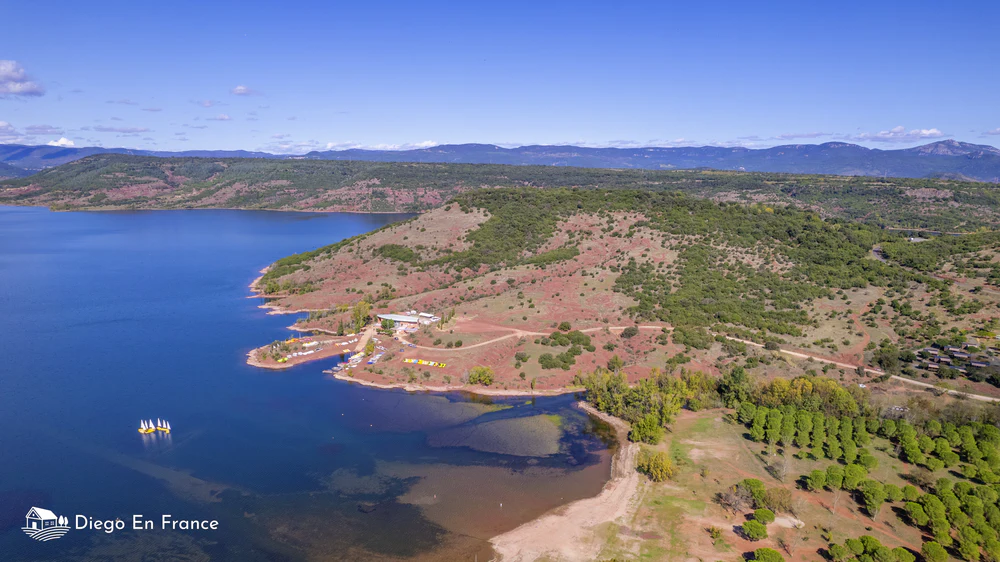
Located in the heart of the Hérault and Languedoc, Lac du Salagou, an incredible site to see in the south of France, is distinguished as a true natural jewel. It is not simply a lake; It is an unmatched combination of arid landscapes that contrast with a vast expanse of water and remarkable Mediterranean biodiversity.
At first glance, you are captivated by the contrast of its waters with the hills of red earth that surround it, offering a setting that seems Martian. This geological wonder has been sculpted by both geological events and the continuous efforts of generations of farmers.
For those with an adventurous spirit, the Salagou becomes the perfect setting. It is a meeting point for mountain bike and hiking enthusiasts, and it is not uncommon to find champions of the discipline walking its trails. Additionally, for those looking for an active break, water activities are offered, from supervised bathing to aquagym and swimming classes.
And as if all this were not enough, the area is presented as an open-air geological book. The “ruffes”, those red earths that define the Salagou, give way to black volcanic rocks and mysterious white formations in the Cirque de Mourèze, leaving testimony to a past where reptiles before the dinosaurs left their mark.
If you are looking for a unique experience and want to immerse yourself in the natural and cultural magic of the region, Lac du Salagou is, without a doubt, one of the places you cannot miss near Saint-Guilhem-le-Désert.
Lodève Museum: A Journey between History, Fossils and Art
Ideal for a family visit, the Musée de Lodève, located in the heart of the Occitanie region, is a window on the past to see in the south of France, on art and on the evolution of life on earth. This museum is a jewel that combines archaeology, paleontology and plastic arts.
In its archeology section, the museum presents a rich collection that portrays the life and customs of the ancient civilizations that inhabited the region, from prehistoric times to the Middle Ages. Paleontology fans will find a real treasure in the rooms dedicated to the evolution of life, where fossils are exhibited that tell the story of our planet over millions of years.
Additionally, the museum houses an impressive art collection, with a particular focus on the work of modern and contemporary artists. This section offers a unique insight into the artistic and cultural development of the region.
The Lodève Museum is not only an exhibition venue, but also a meeting and learning space, with numerous activities and workshops designed for audiences of all ages.
For those looking to immerse themselves in the rich history and culture of Occitanie, a visit to the Musée de Lodève is, without a doubt, a super nice, enriching and revealing experience.
ℹ️ Find more information on their website by clicking here.
Experience the Neolithic: A Family Adventure at the Cambous Prehistoric Site
The prehistoric site of Cambous is one of the most emblematic places of prehistory in the Occitanie region, and what to see in southern France. It is located near Viols-en-Laval in the Hérault department. It is an archaeological site that dates back to the Neolithic and is known mainly for being one of the oldest and largest towns of the time in the south of France. Excavations have revealed a variety of structures and artefacts that provide a detailed insight into life during the Neolithic in the region. It is a site that attracts both researchers and tourists interested in history and archaeology.
ℹ️ More information on the prehistoric village website by clicking here.
How to get to Saint-Guilhem-le-Désert
The Magic of Driving in France
Once in France, touring the country by car is one of the most practical and charming ways to travel. This option offers not only comfort, but also the freedom to discover picturesque landscapes and stop wherever the moment inspires you.
Thanks to DISCOVER CARS, you can easily find the perfect vehicle for your adventure. Compare prices among the leading rental agencies and book your car for pick-up at the airport, train station or multiple locations of your choice. Start your trip in total freedom and comfort!
🚙 Start your unforgettable journey on the French roads. 👉 BOOK YOUR VEHICLE HERE
Moreover, as you journey through the charming French roads, what better company than a good playlist? Precisely, I have a very special one that I have prepared for you later on.
👉 What do I need to drive in France? Here’s what every traveler should know.
Explore France with confidence behind the wheel! 🚗 With Tripiamo’s driving guides, you will have all the essential information to drive stress-free and enjoy every kilometer of your adventure.
How to get to Saint-Guilhem-le-Désert by car from Montpellier
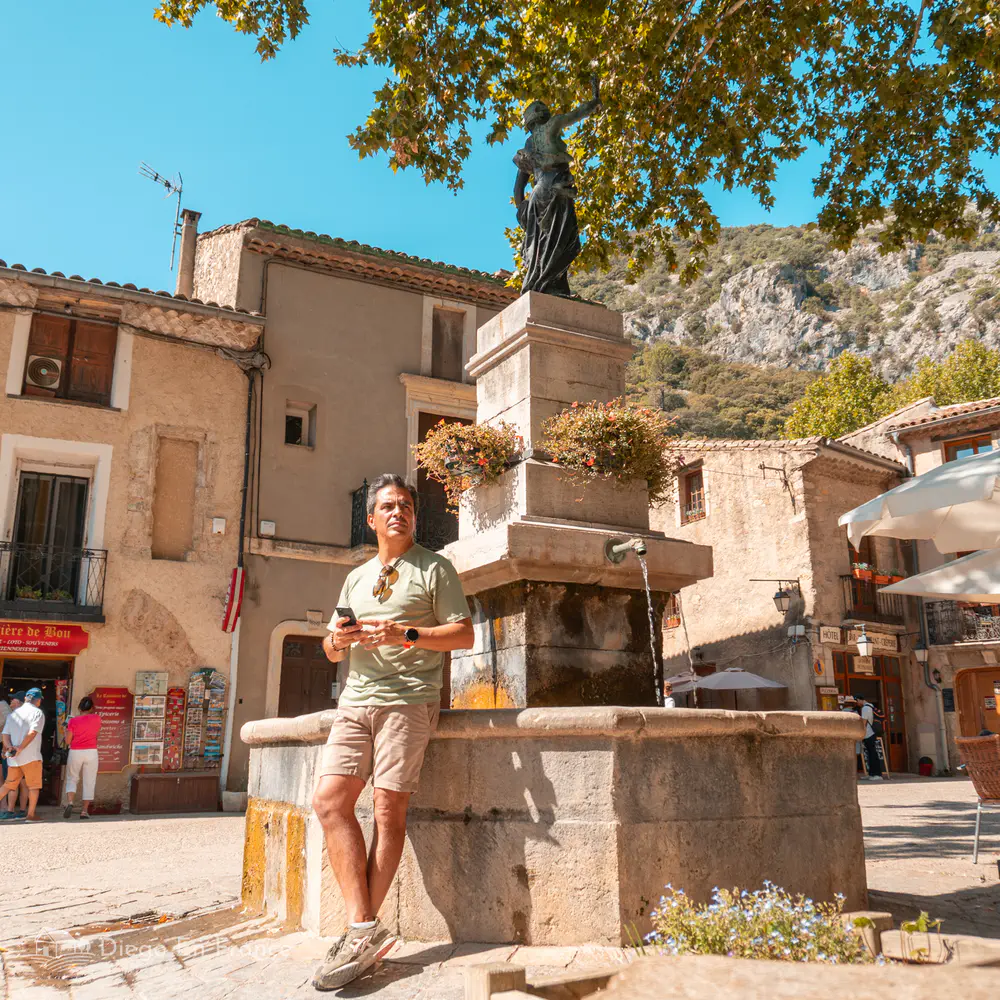
If you are planning a trip to Saint-Guilhem-le-Désert, that captivating corner in the south of France, you should consider the car trip as an adventure in itself. Traveling these roads is undoubtedly a truly amazing experience, you’ll see.
Montpellier, the closest major city, offers different options to make your trip a memorable experience. You have two main routes to consider: the A750 highway and the secondary road D27.
On the A750 highway
If you decide to take the A750 highway , you will get there faster. You get on the highway in Montpellier and, in about 40 minutes, you are in Saint-Guilhem-le-Désert. It is the fastest and most convenient route, especially if you are short on time or if you already have a well-planned itinerary in Saint-Guilhem.
By the departmental road D27
But if you prefer, you can take the departmental route D27 and then you will turn the journey into a true adventure.
As you move along, you’ll be surprised by the many châteaux you come across, as well as the vineyards and wine estates with their cellars, silent witnesses to the region’s rich winemaking tradition.
You’ll also pass through charming villages like Viols-le-Fort or Saint-Martin-de-Londres, places that naturally make you want to stop, stretch your legs, and enjoy a coffee at a local boulangerie.
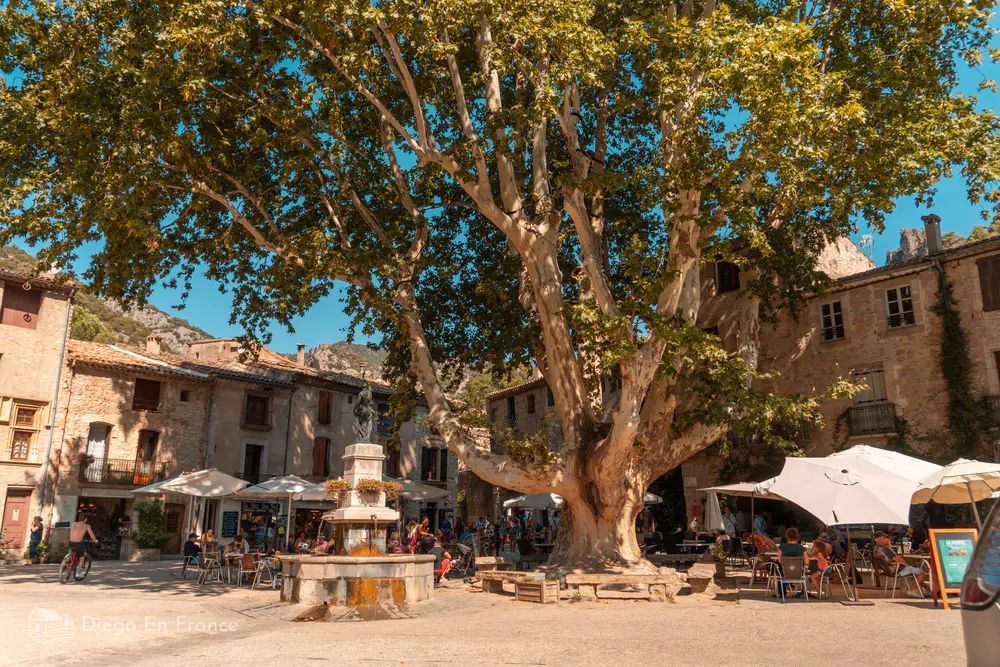
I love it when, as I drive, I spot in the distance the church steeples of these villages that begin to appear on the horizon, beckoning to uncover their secrets.
Both routes have their advantages. If you are looking for efficiency and speed, the A750 is your best option. However, if you have more time and are attracted to the idea of a more exploratory trip, the D27 will not disappoint you.
and you? Have you had any special surprises on your trip?
Achieve maximum immersion
in French culture
Here’s a playlist to listen to while driving these routes
The 3 Best Places to Stay in Saint-Guilhem-le-Désert for a Good Night’s Sleep
When it comes to accommodation in Saint-Guilhem-le-Désert, the hotel offering might seem somewhat limited at first glance.
But don’t worry, the beauty of this charming town is reflected in its variety of options to stay. Beyond the traditional hotels, you’ll find an abundance of gîtes and rental houses that offer a more intimate, home-like experience.
Whether you’re looking for a more rustic vibe or a luxurious stay, there’s something for every type of traveler here. Let’s explore some of the best options so you know where to stay and make the most of your visit to one of the most captivating destinations to see in the south of France.
Comparison of accommodation in Saint-Guilhem-le-Désert
Accommodation | Rating | Pool | Spa | From | Book Now |
La Taverne de l’Escuelle | 7,8 / 10 | 88 € | |||
Château de Valloubière | Yes | Yes | 99 € | ||
La Bergerie des Rêves | 9,7 / 10 | Yes | 550 € |
La Taverne de l’Escuelle
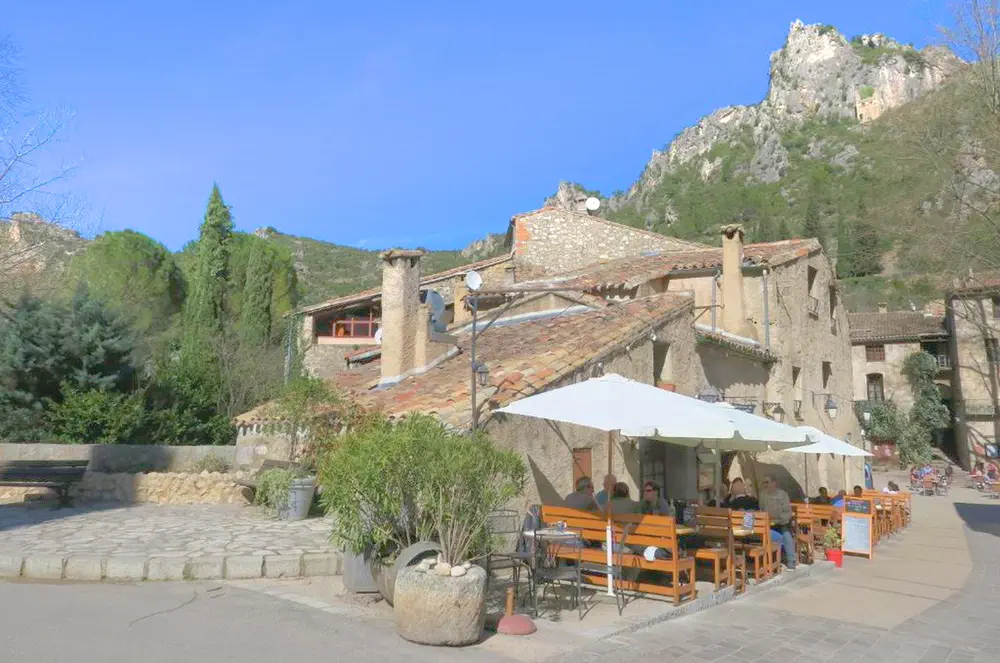
La Taverne de l’Escuelle is a super nice hotel-restaurant located in the heart of the medieval square of Saint-Guilhem-le-Désert. This hotel in Saint-Guilhem-le-Désert not only stands out for the quality of its rooms, but also for its home cooking with local products. In addition, the surrounding area offers numerous opportunities for outdoor activities such as hiking and cycling.
Avec une équipe dédiée à répondre à vos besoins jour et nuit, cet hôtel-restaurant se présente comme une option d’hébergement imbattable pour ceux qui recherchent des choses à voir dans le sud de la France et en particulier à Saint-Guilhem-le-Désert.
- Free Parking
- Wi Fi connection
Room rates starting at €88
Chateau de Valloubière
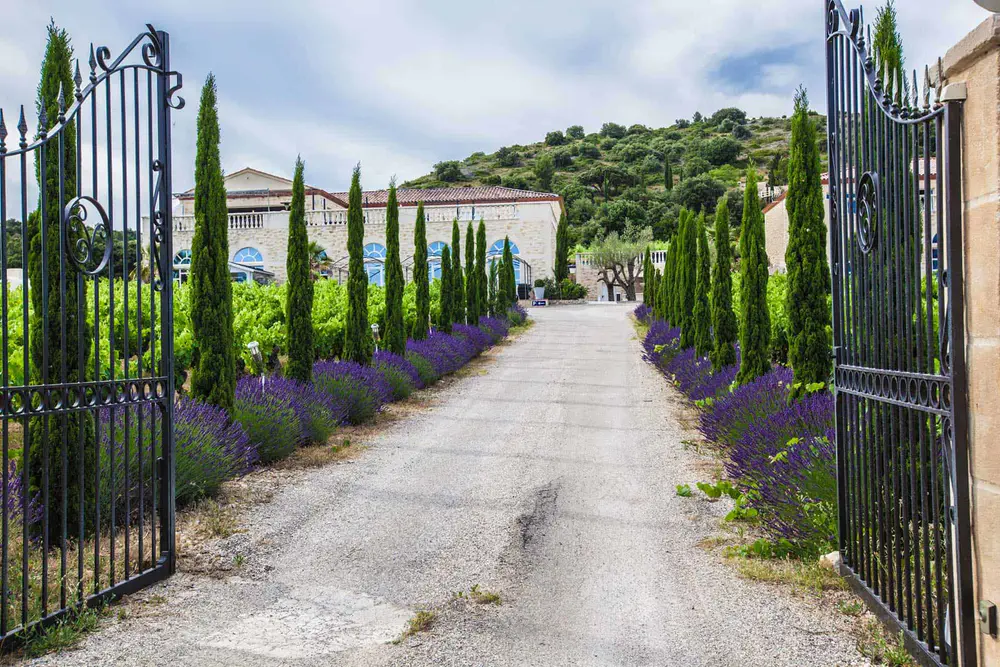
Located on a sprawling 9-hectare vineyard in Languedoc-Roussillon, this castle offers a unique and luxurious experience. Guests can enjoy wine tastings, a full spa with a sauna, hammam and gym, and a heated outdoor pool with a terrace. The air-conditioned rooms feature unique décor, garden views, free Wi-Fi and flat-screen TVs. Some even offer extras like hot tubs or Nespresso coffee machines. In addition to a daily breakfast buffet, the establishment serves dinners paired with its own wines.
- Outdoor pool and spa
- Fitness room
- Free parking
Room rates starting at €99
La Bergerie des Rêves

This écogite is designed for an experience in nature, located in the picturesque setting of “Saint Guilhem Gorges de l’Hérault”, it offers a warm and authentic atmosphere thanks to its construction with sustainable materials.
The lodging is perfect to enjoy in a group. It also includes a vinothèque where guests can discover delicious local wines. For those interested in the well-being of the planet, the écogite uses a system that stores rainwater, contributing to water conservation.
The outdoor space includes a swimming pool and areas where you can practice water sports, hiking and fishing. With free WiFi, air conditioning and private parking, this is an ideal place for those looking for a getaway in nature without giving up modern comforts.
- 3 bedrooms for 15 people
- 4 Bathrooms and Air Conditioning
- Outdoor swimming pool
From €550 per night for 15 people
Where to eat in Saint-Guilhem-le-Désert and what to try
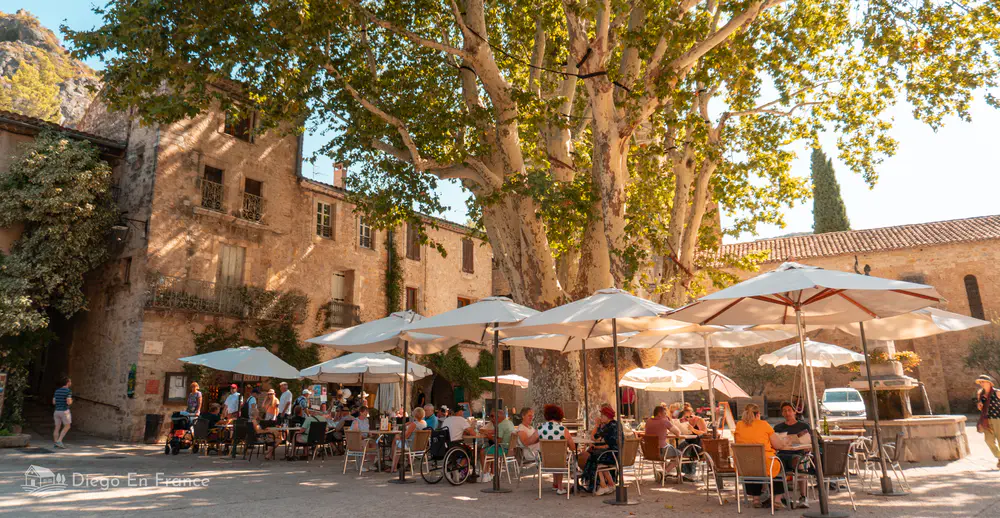
Eating in Saint-Guilhem-le-Désert is part of the experience. It’s not a gastronomic destination in the classic sense, but it is a place where local products and the setting clearly influence what ends up on your plate.
The Hérault Valley, with its Mediterranean climate and limestone soils, favors a simple cuisine based on nearby ingredients. Artisanal goat cheeses, local olive oils, and wines from the surrounding area appear often, meant more to accompany a relaxed meal than to impress.
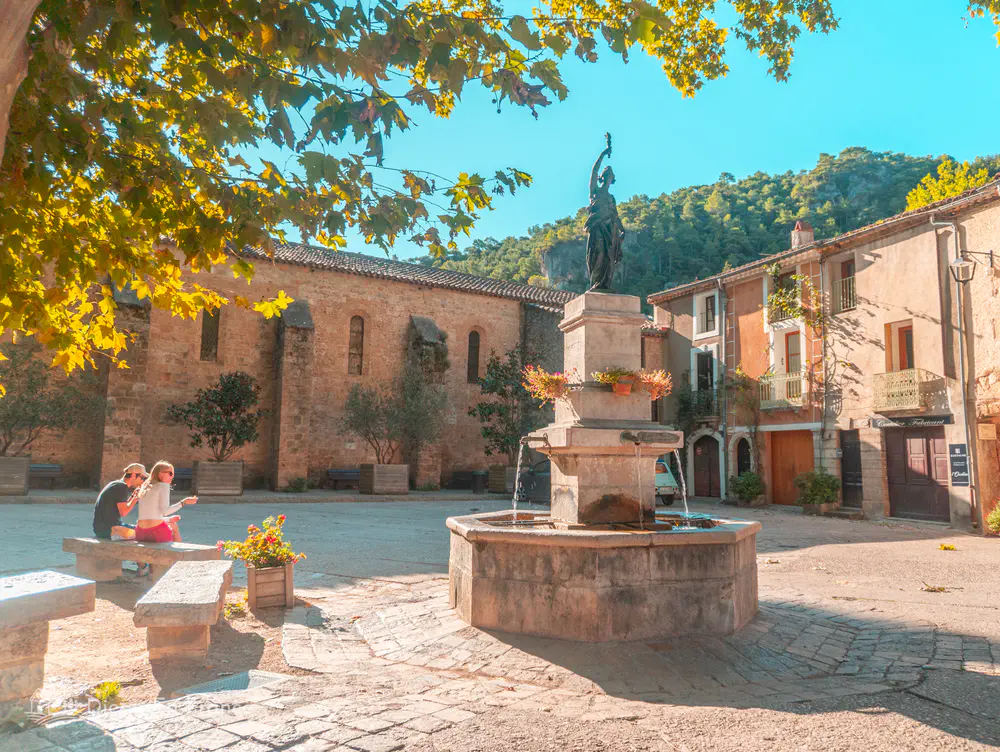
Goat cheese is one of the most recognizable flavors here. It’s usually served on its own or on sharing boards, sometimes with local honey or fig bread. It’s a straightforward product, without frills, that fits naturally with the village’s unhurried pace.
The same goes for Languedoc wines, mainly made from Syrah, Grenache, or Cinsault, found in both reds and fresh rosés that are especially enjoyable in the warmer months.
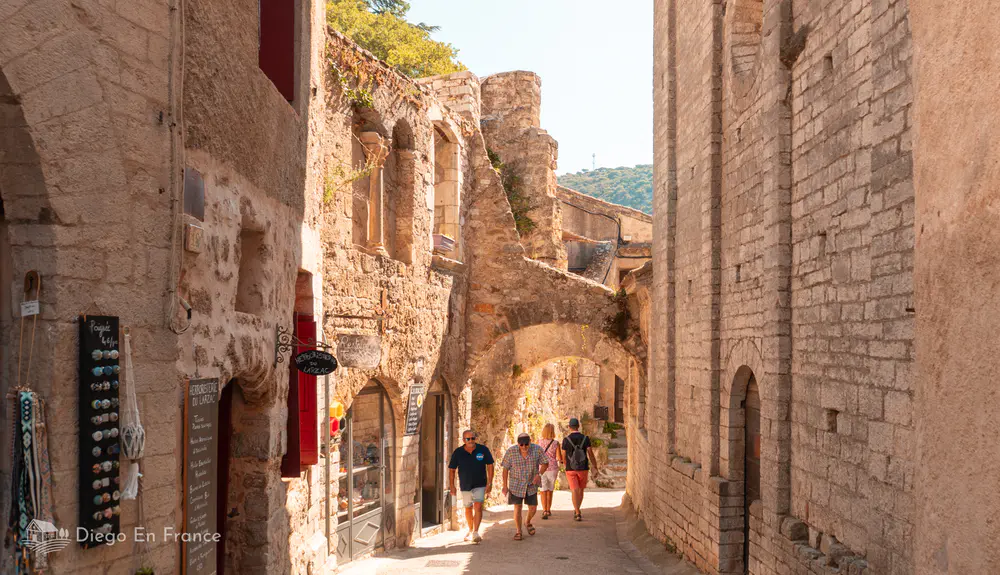
For something quick or informal, bakeries and small pastry shops do the job well. Savory fougasse is easy to find and perfect to take away and enjoy by the river. Oreillettes, more common outside the high season, appear as a sweet nod to local tradition.
It’s worth keeping in mind that options are limited and that, in summer, opening hours follow the flow of visitors. Eating early or making a reservation helps avoid unnecessary waits. This isn’t a place for grand dining experiences, but for meals that naturally accompany the day and reflect the spirit of the place.
👉 Planning to enjoy the local food scene in Saint-Guilhem? Read my guide with tips on how to enjoy a restaurant experience in France.
Discover Other Charming Villages Near Saint-Guilhem-le-Désert
Saint-Guilhem-le-Désert is even more enjoyable when combined with its surrounding area. Within a few miles, you will find villages steeped in history, unique landscapes, and ideal stops to complete your visit if you have more time or are traveling by car.


The Climate in Saint-Guilhem-le-Désert

If you’re planning what to see in the south of France, it’s crucial to know the weather in Saint-Guilhem-le-Désert to make the most of your visit. Located in the Occitania region, this charming town experiences a Mediterranean climate, characterized by mild winters and warm summers.
In Spring and Summer
In general, the best time to visit is between May and September. During these months, temperatures range between 25 and 30°C, ideal for exploring the cobbled streets and medieval architecture that the place has to offer. In addition, the probability of rain is quite low in this period, which allows outdoor activities to be carried out without setbacks.
Autumn and Winter
On the other hand, the winter months, although cooler, offer their own magic. Between November and March, temperatures drop considerably, and it is not uncommon to find snow in the surrounding areas. However, there is a decrease in the number of tourists, which means you will have more space to yourself at the main sites of interest.
Travel with Peace of Mind Explore France Without Worries
Unexpected events happen: a medical emergency, lost luggage, or a canceled flight can ruin your adventure. Can you imagine having to pay thousands of euros for a medical consultation?
With IATI INSURANCE, you travel with the best coverage, 24/7 assistance and worry-free.
Don’t wait any longer, protect your trip today.
In short, each season offers unique opportunities to discover the very essence of Saint-Guilhem-le-Désert.
Whether you are a sun lover or prefer a cooler, quieter atmosphere, this village always has something to offer you.
The History of Saint-Guilhem-le-Désert: A Journey to the Past
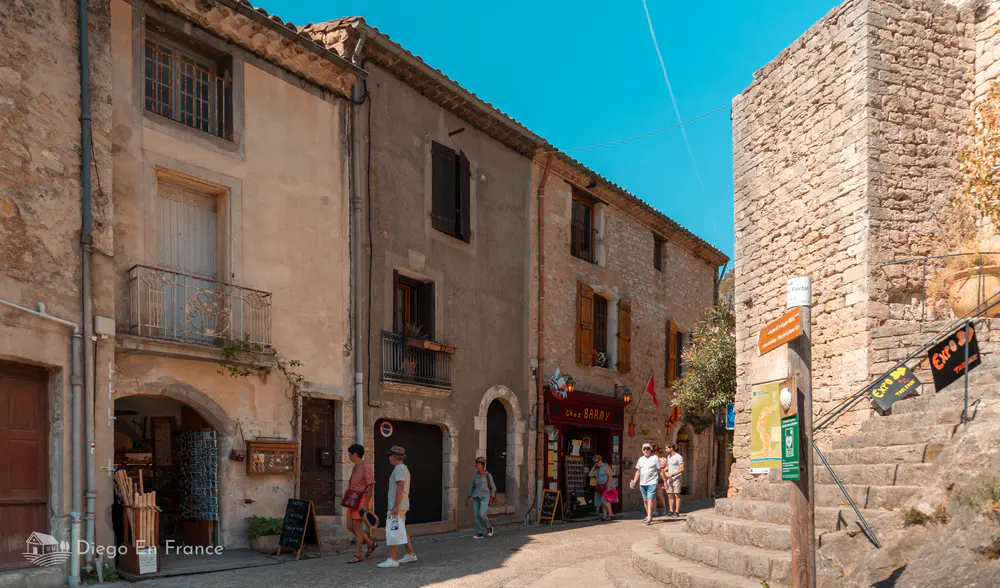
Located in the Occitanie region of southern France, Saint-Guilhem-le-Désert is a small medieval village that offers more than just a getaway; It is a journey into the past filled with fascinating layers of history.
The village is built around an abbey founded in the 9th century by Guilhem, the great-grandson of Charles Martel and a childhood friend of Charlemagne.
Guilhem was a renowned warrior who fought alongside Charlemagne against the Moors near Nîmes and drove them back across the Pyrenees. However, his life took a dramatic turn when he returned from war and discovered that his wife had passed away.
He then chose to withdraw to a monastery he had founded, but was soon called back into service by Charlemagne. After years of loyal duty, he was granted several noble titles, including that of Prince of Orange.
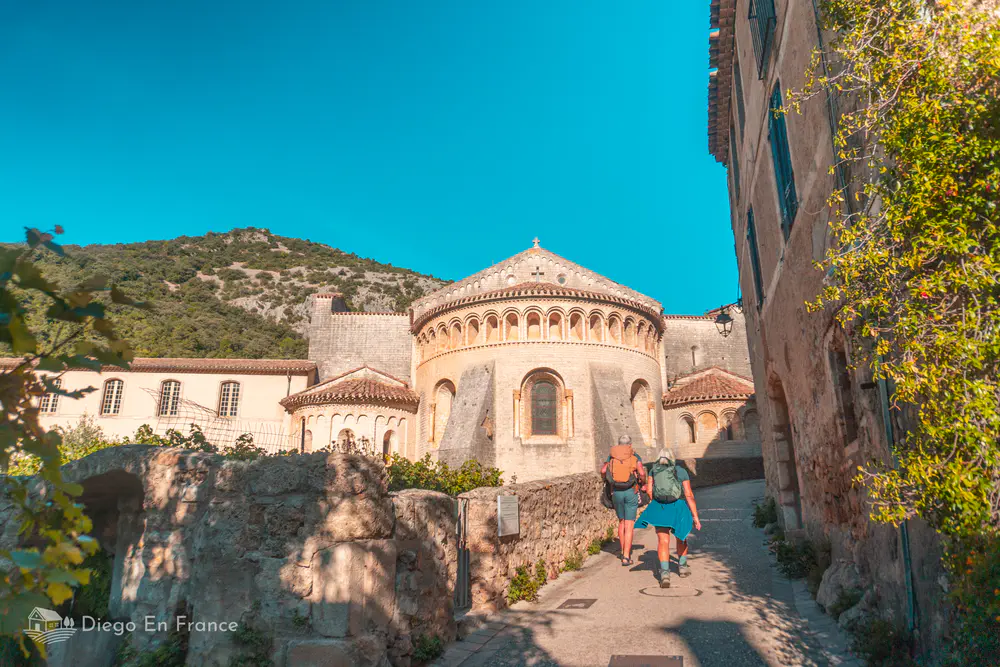
The monastery founded by Guilhem was not simply a place of retreat for him. Over time, it became an important center of pilgrimage, especially along the Way of St. James to Santiago de Compostela.
The monastery housed a fragment of the True Cross, a gift from Charlemagne, which increased its spiritual significance and attracted pilgrims and monks from all over Europe. During the 11th and 12th centuries, more than a hundred monks lived in the monastery, generating wealth that made possible the construction of the remarkable structures that can still be admired in the village today.
This multifaceted legacy of war, faith, nobility, and architecture makes Saint-Guilhem-le-Désert a truly distinctive destination.
Every stone and every narrow alley in this village bears witness to its rich past, shaped by both military feats and deep spirituality. It is, without a doubt, one of the most beautiful and meaningful villages in France, a place where history remains alive, echoing through its streets and buildings.
Learn about the Legend of the Pont du Diable
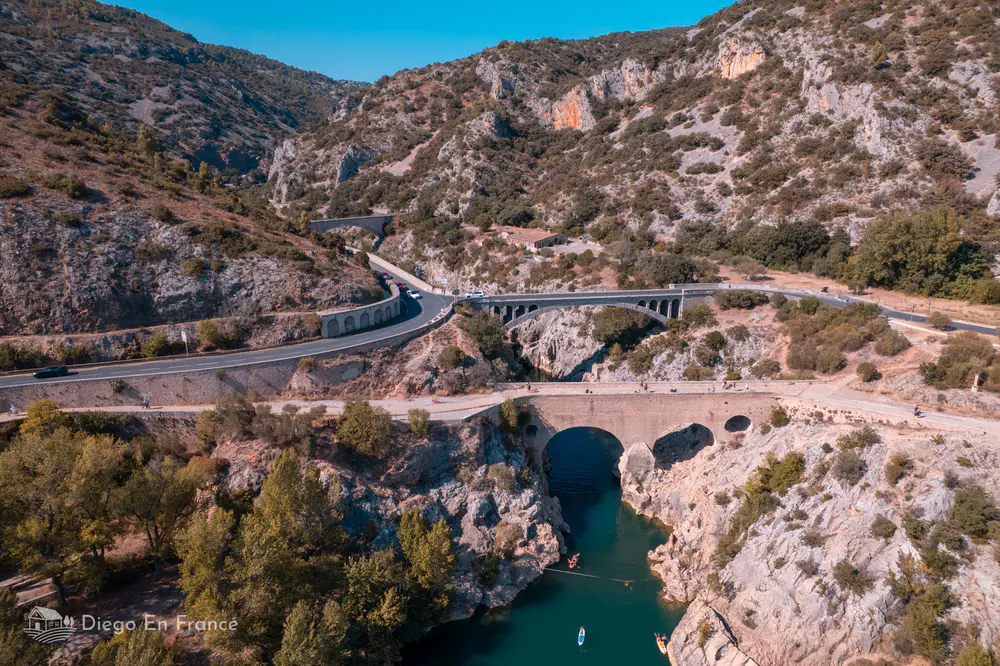
The legend of the ‘Pont du Diable’ (Devil’s Bridge) in the south of France is a fascinating blend of myth, history, and folklore that has stood the test of time. According to the legend, every night the Devil would destroy the work of the Aniane and Gellone abbeys in their attempt to build a bridge over the Hérault river.
Frustrated but determined, Guilhem, the founder of the Gellone abbey, decided to negotiate with the Devil. He offered him the soul of the first creature to cross the bridge in exchange for his help in building an indestructible one. The Devil agreed to the deal, and when the bridge was completed, he was “rewarded” with the soul of a dog carrying a pot tied to its tail. Furious and deceived, the Devil tried to destroy the bridge but couldn’t.
In a fit of rage and spite, the Devil threw himself into the river at a spot known as “The Black Abyss.” However, his story did not end there. He disguised himself as a goat or ram and haunted the neighboring St-Jean de Fos, spreading fear and discord. The locals, tired of his mischief, decided to confront him. After a failed attempt by the local priest to expel him with holy water, the villagers, armed and brave, chased the Devil shouting “Pica lou! Pica lou!” (Stab him! Stab him!).
Finally weakened by the holy water, the Devil fled and submerged himself again in the ‘Black Abyss’. Since then, pilgrims on the Camino de Santiago who cross the Pont du Diable throw stones into the river, ensuring that the Devil will never emerge from the abyss again.
This bridge, more than just a structure, is a symbol of the eternal struggles between good and evil, cunning and betrayal. To this day, the legend remains alive, and the Pont du Diable continues to be a place of mystery, fear, and admiration.
Frequently Asked Questions
What is the best time of year to visit Saint-Guilhem-le-Désert?
La primavera y el otoño son ideales debido al clima templado y a la menor afluencia de turistas. Sin embargo, el verano también es popular por las festividades locales. Click aquí para leer la sección sobre el clima en este pequeño pueblo.
¿Buscas qué ver en el sur de Francia? Saint-Guilhem-le-Désert es una opción imperdible.
What activities can I do around the Hérault River in Saint-Guilhem-le-Desert?
You can enjoy a kayak tour, take a dip in its refreshing waters, or simply relax on its shores and soak in the scenery among many other activities. Click here to discover all the activities to do in Saint-Guilhem-le-Désert.
Are there guided tours of the town?
If you are wondering what to see in the south of France, Saint-Guilhem-le-Désert is a historical gem.
Yes, there are several guided tour options that will take you through the history and architecture of this charming medieval village.
How long is recommended to visit Saint-Guilhem-le-Désert?
Aunque el pueblo y la abadía los puedes recorrer en un día, te recomendaría pasar al menos dos días para disfrutar plenamente de su atmósfera, explorar sus alrededores y vivir todas las experiencias que la región te ofrece. Si quieres te puedes quedar hasta una semana! Click aquí para conocer todas las experiencias que se pueden vivir en Saint-Guilhem-le-Désert
Is it easy to get around the town?
Yes, Saint-Guilhem-le-Désert is a small village and can be easily explored on foot. Additionally, the peaceful atmosphere makes it even more enjoyable.
Newsletter Diego en France
Enter your details to subscribe to my newsletter

